Follow our Telegram channel to get notified instantly whenever new books are published.

I Told Me So PDF – Gregg Ten Elshof
Total Downloads:
7
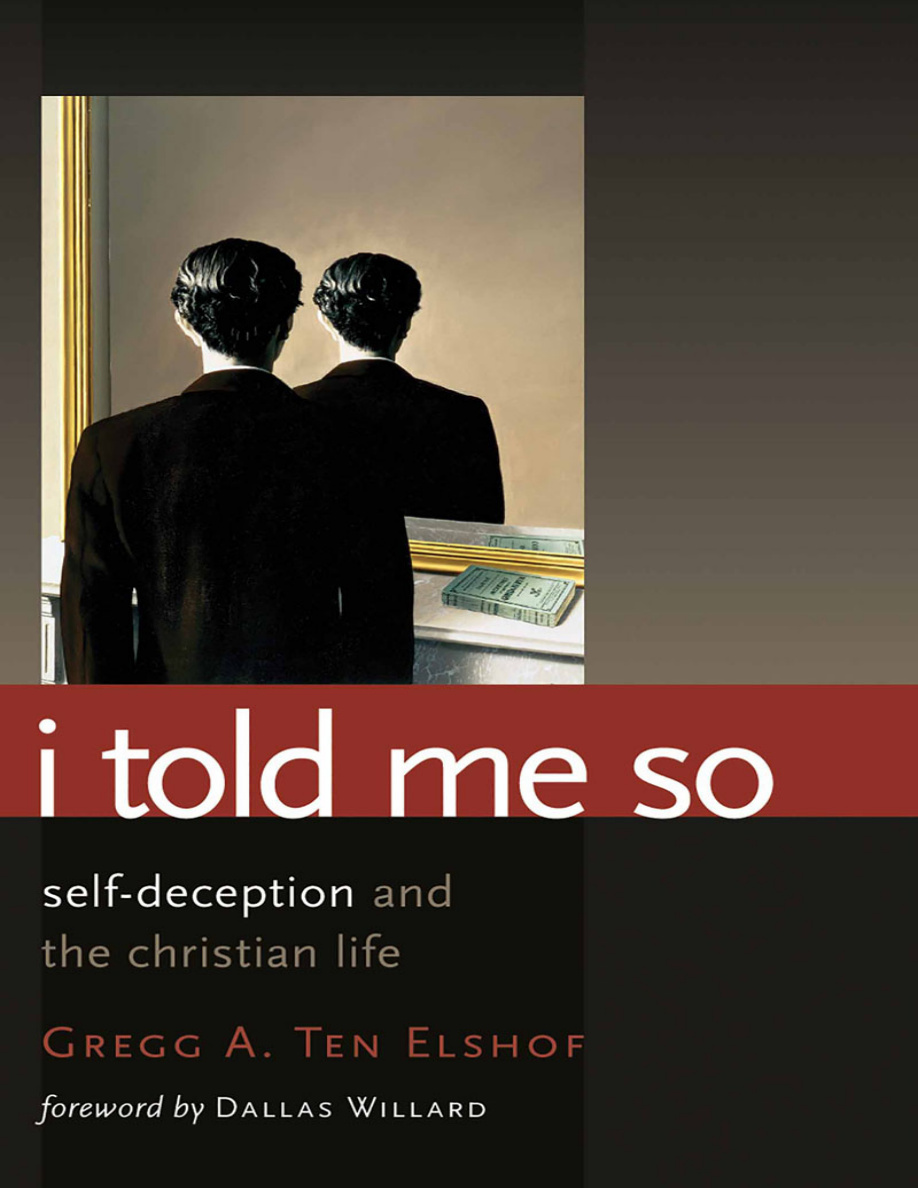
I Told Me So Self-Deception and the Christian Life Book Summary & Review
Quick Summary
A thoughtful integration of philosophy and psychology investigating how easily we lie to ourselves and how it hinders spiritual growth.
Book Topic and Premise
The most dangerous liar you will ever encounter doesn’t look like a classic villain; they are staring directly back at you in the mirror. This intellectual spiritual study looks closely at the complex psychology of self-deception and how it harms faith. The author combines rigorous philosophy with scriptural analysis to show how easily the human mind hides its real motives.
Studying the I Told Me So Self-Deception and the Christian Life by Gregg Ten Elshof PDF version reveals the hidden mental tricks we use to justify bad choices. Ten Elshof explains that self-deception isn’t always a massive moral failure; it often works through small, daily excuses that protect our pride. The text provides a clear look at how religious performances can act as a shield against true vulnerability.
Throughout the chapters of this thoughtful guide, readers are forced to question their own spiritual narratives. The tone balances academic precision with deep pastoral care, avoiding easy condemnation in favor of structural clarity. It serves as an essential reading choice for anyone looking to build a more honest, grounded spiritual life free from internal pretense.
Detailed Plot & Summary
Ten Elshof explores the mechanisms of self-deception. Using insights from secular philosophy and Christian scripture, he shows how humans rationalize bad behavior, create false spiritual personas, and how to practice radical honesty to build genuine faith.
✍️ Editor’s Note: A crucial, deeply reflective text that forces readers to strip away religious performance and confront their internal rationalizations.
Critical Review and Analysis
The philosophical breakdown of how the mind rationalizes personal failure is brilliant and deeply challenging. However, the academic tone can feel slightly clinical, and the brief length leaves some complex psychological concepts under-explored.
Main Themes & Motifs
- Psychology of Denial
- Authentic Faith
- Ego Protection
- Radical Honesty
Who Should Read This Book?
Thoughtful readers interested in Christian ethics, spiritual formation directors, and students of religious psychology.
Why You Should Read It
It cuts through simple moralizing to explain the actual cognitive mechanisms behind hypocrisy and spiritual blind spots.
Key Takeaways & What You Will Learn
You will identify personal rationalization defense mechanisms, learn how to invite honest external accountability, and study philosophical views on truth.
Technical & Bibliographic Details
| 📖 Title: | I Told Me So Self-Deception and the Christian Life |
| 🔍 Original Title: | I Told Me So: Self-Deception and the Christian Life |
| ✍️ Author: | Gregg Ten Elshof |
| 🏢 Publisher: | Wm. B. Eerdmans Publishing |
| 📅 Publication Year: | 2009 |
| ⏳ First Published: | 2009 |
| 🔢 ISBN: | 9780802863652 |
| 📦 Amazon ASIN: | 0802863659 |
| 📄 Total Pages: | 160 |
| 📁 Category: | Psychology, Christian Living, English |
| 🌍 Language: | English |
| ⭐ Goodreads Rating: | 3.88 / 5.0 (310 votes) |
| ⏱️ Reading Time: | 3 hours |
| 📊 Difficulty Level: | Intermediate |
| 📚 Similar Books: | The Screwtape Letters by C.S. Lewis, Celebration of Discipline by Richard Foster |
| ✍️ Other Books by Author: | Confucianism for Christians |
Frequently Asked Questions (FAQ)
❓ Is this book written more as a psychology text or a bible study?
It is a deliberate blend of both, utilizing rigorous academic epistemology and behavioral psychology alongside Christian scriptural applications.
❓ What does the author suggest as the cure for self-deception?
He advocates for practicing radical internal honesty, regular self-examination, and building deep, trusted community relationships that offer honest feedback.
❓ How dense is the academic language inside these chapters?
While it introduces formal philosophical terms regarding truth, the author explains them clearly with everyday examples, making it accessible to general readers.
❓ Does the book contain group discussion questions?
Yes, its reflective nature and chapter summaries make it highly suitable for small group analysis and spiritual studies.
❓ What unique angle does Ten Elshof take on hypocrisy?
He argues that hypocrites are often the first victims of their own lies, having successfully deceived themselves before trying to fool others.
❓ Can non-religious readers benefit from this psychology book?
Yes, the secular philosophical analysis of how the brain rationalizes personal failure offers valuable insights for any reader studying self-awareness.
📚 Recommended Category: Explore more in our Religion & Spirituality hub.